
What Should a Sourcing China Agent Do Before Shipping?
Picture the file on Friday afternoon. PO revision C says blue inner carton. The factory photo shows white. Forty minutes remain on a freight booking, and somebody writes, “It is only packing, can we send?” No. Or, at least, not yet. The buyer needs to see the change and make the call.
That pause is where a sourcing China agent proves useful. What arrived? What passed? What changed after approval? And which cartons, exactly, is the forwarder collecting tomorrow? HolaSourcing’s China sourcing team works from Yiwu across supplier follow-up, inspection, consolidation, and freight. Before release, those jobs need to become one readable answer.
Give the Sourcing China Agent One Current File
I would begin with the order file. Not the chat thread from June, nor the photograph somebody remembers approving. The current file. Put the purchase order beside the signed sample, artwork, packing instruction, and today’s carton count. If they disagree, “ready” has no useful meaning.
Custom goods make this visible. Shade, logo position, insert, spare part, retail sleeve: a carton can hold the main item and still be incomplete. One missing manual may sound trivial in Yiwu. It will not sound trivial when 500 units reach a retailer with no instructions.
Changes need names and dates. Suppose a supplier cannot buy the approved inner carton and offers another. The sourcing China agent shows the alternative, notes the cost or timing effect, and asks for a written decision. Silence is not approval. Neither is a hurried voice message that no one can find next month.
Partial shipment gets the same treatment. Which SKUs go? Which stay? Who accepted the extra freight or later arrival? A sensible exception is fine. An invisible one is not.
Make Inspection Say More Than “Passed”
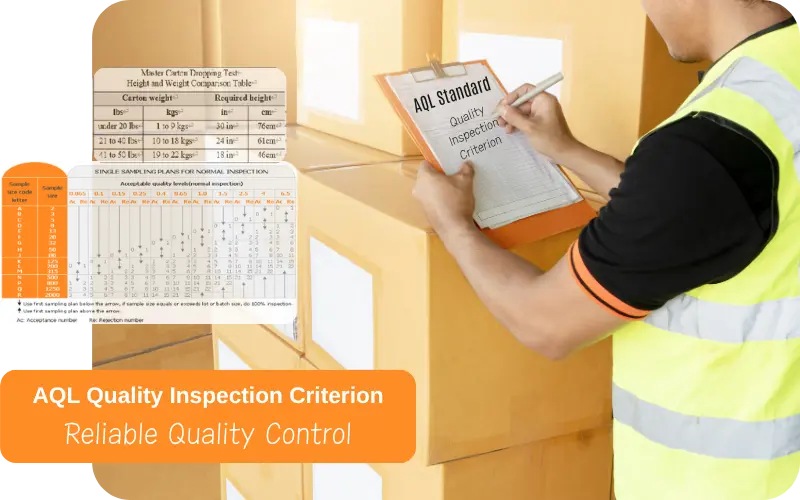
A green tick tells a remote buyer almost nothing. My version of a useful note reads more like this: “Checked print against rev. C; 80 pieces seen; six smudged; photos 12–17.” If the factory reworks those six, photograph the same group again when a recheck was agreed. Simple? Yes. Often skipped? Also yes.
HolaSourcing offers pre-shipment quality inspection. What gets inspected is a product decision, though, not a box to tick. Sampling might suit the familiar, low-risk reorder. Fragile or heavily customised goods? I would discuss a broader check. Lamps and ceramic mugs fail differently; cloned reports make little sense.
Depending on the order, the report may cover count, look, size, function, print, accessories, retail pack, outer carton, or shipping mark. The approved file decides. “Minor issue” is no substitute for saying what the inspector actually saw.
Then comes the remedy. Sorting? Rework? Replacement? A commercial adjustment? Write down the agreed response and verify the correction when required. The buyer, not the factory and not the agent, owns the final release decision.
Use the Warehouse as a Reality Check
Factory A arrives Tuesday. Factory B comes Thursday, four cartons short. Factory C uses last month’s label. Calling the overall order “95 percent complete” hides all three facts. A status by supplier and SKU is less exciting and far more useful.
At a local warehouse, the sourcing China agent logs each arrival and keeps clients, suppliers, and SKUs apart. Torn carton? Note it. Unapproved label? Hold it. HolaSourcing offers warehousing and multi-supplier consolidation, so the useful inventory is the one that distinguishes arrived, released, and waiting-for-fix.
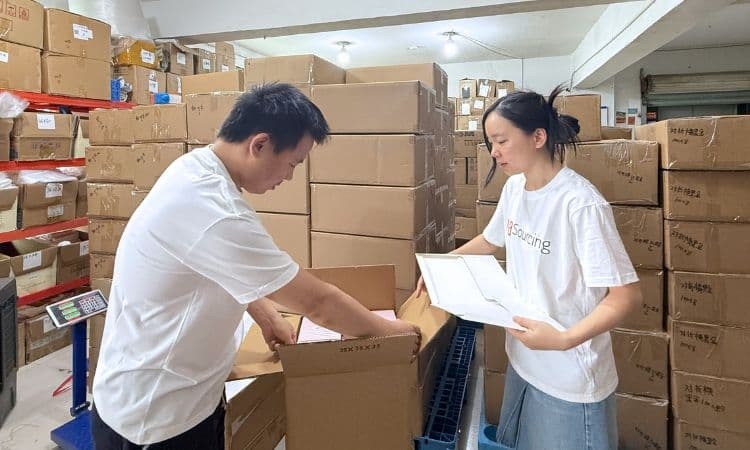
Nor is repacking a licence to improvise. Box, insert, protection, product label, FNSKU, bundle, pallet: use the approved version that applies to this order. A good product wearing the wrong retail pack remains the wrong shipment.
The warehouse record also stops accidental loading. Rejected, late, and approved cartons may sit only metres apart. Their status cannot live in somebody’s memory.
Read the Documents While the Cartons Are Reachable
Read the paperwork aloud against the warehouse count. Does the product name match? Quantity? Cartons? Weight, marks, consignee, references? The answer may sit across a packing list, invoice, label, declaration, available test or certification record, and HS-code detail. Which papers matter depends on the goods and destination.
Customs may still ask a question; no responsible sourcing China agent promises otherwise. Destination responsibility remains with the importer. Yet a local team can catch “42 cartons” on the packing list while only 40 sit on the floor. Before the truck, not after the vessel.
Do this early. A destination label or an available certificate belongs in the production conversation. Chase it after booking and an ordinary document query has become a freight problem.
Match Freight to the Finished Order
Only now does comparison make sense. Express, air, sea, rail, port, door: these are not interchangeable labels. HolaSourcing’s shipping solution can be considered against the final volume, chargeable weight, urgency, destination, and handling risk.
What route is quoted? What is included? Who clears the goods? Which local charges sit outside the price? “Door to door” still needs an address and a scope. A useful quote makes those boundaries visible.
At handover I would ask four last questions: booked space correct, carton count final, packing list matched, marks checked? Once cargo moves, send the available reference and whatever tracking updates the chosen service includes. Closing the warehouse door is not a communication plan.
Ask for a Short Release Pack
Short is good. Final quantity. Carton count. Inspection evidence. Any correction. Approved packing. Invoice and packing list. Freight plan. Each item dated and tied to the same order reference.
Now the buyer can approve, hold, split, or ask again. “Factory says all good” is not a release record. It asks the buyer to gamble.
Planning a mixed or customised order? Send product, quantity, destination, and target date to a local sourcing specialist. One early question is worth asking: “What proof will I receive before release?” Ask it before the deposit, not at 4:40 on shipping day.
FAQs
Q: When is the right time for final inspection?
A: The usual window opens once production is complete and most units are packed, then closes at release. With custom or higher-risk work, an earlier in-process check may catch a mistake while the run can still be contained.
Q: Should goods ship after an inspection failure?
A: Not on the inspector’s say-so. Report the failure, arrange the response the buyer accepted, and recheck when that was part of the plan. Release, hold, or split remains the buyer’s written call.
Q: Can several factories go into one shipment?
A: Yes. Deliveries can arrive on different days, be logged, checked, prepared, and combined. Keep the status visible by supplier and SKU; consolidation should not erase where a carton came from.